Whitepaper on circulair value: from practice to publication
A meeting as a starting point
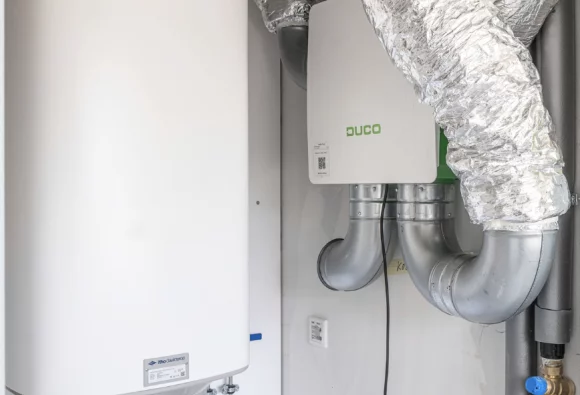
Interduct recently organized a meeting for a group of entrepreneurs who wanted to learn more about sustainability and our approach. Under the theme “The Path to Circularity,” Rogér Keijsers, Business Development Director, actively engaged the participants in what is already happening in the field of circular ventilation. He took them through the story behind the remanufacturing of ventilation products, from MV boxes to heat recovery units. “This shows how big an impact even a small difference can have,” said Keijsers.
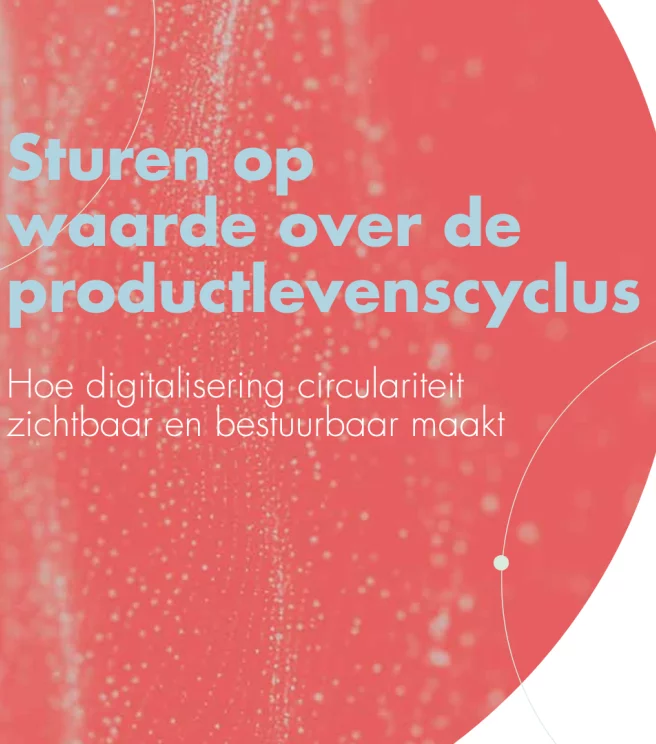
As the icing on the cake, he shared DACE’s white paper “Managing Value Across the Product Lifecycle” - a document featuring real-world examples from the Dutch manufacturing industry. In this publication, Interduct - along with 49 other companies – explains how they extract more value from raw materials, products, and installations.
Whitepaper: Managing Value Across the Product Lifecycle
From interview to comprehensive summary
For our white paper, Rogér Keijsers gave an interview about the approach to reusing ventilation units (see page 49). In the renovation market, systems are too often automatically replaced, even though a systematic analysis shows that only a limited number of parts are actually worn out. Through targeted mechanical and electronic refurbishment, Interduct delivers used equipment that is fully functional and, in some cases, even outperforms the original design.
Concrete projects demonstrate that this works in practice. For example, MV boxes from homes in Beverwijk were remanufactured by RenovAir and reused in homes in Haarlem.
Why this publication is relevant
Being featured in the DACE white paper is more than just recognition. It places our approach in a broader national context: a movement in which manufacturing companies from various sectors are demonstrating that circularity is not an ideal, but an economically sound choice. Interduct is one of the frontrunners in this movement - not by talking about it, but by doing it.